Solar Panel Maintenance in Lahore: How to Keep Your System Performing Efficiently

Installing solar panels is a long-term investment, but installation is only the beginning. To maintain consistent energy generation, solar panels and their supporting equipment need proper monitoring, cleaning, inspection, and maintenance.
In Lahore, factors such as dust, heat, seasonal rain, pollution, bird activity, and rooftop conditions can affect the performance of a solar system over time.
For homeowners and businesses using solar energy, understanding how to maintain a solar system can help protect its performance and identify potential problems before they become expensive repairs.
Why Solar Panel Maintenance Matters
Solar panels are designed to operate outdoors for many years, but their performance can be affected by the environment around them.
Dust and dirt can accumulate on the panel surface and reduce the amount of sunlight reaching the photovoltaic cells. Shading can also change as nearby trees, buildings, or other structures develop.
At the same time, problems with cables, mounting structures, inverters, or electrical protection equipment may not always be visible during everyday use.
Regular maintenance helps ensure that the entire system—not just the panels—continues to operate as designed.
For homeowners considering a new installation, choosing a properly designed system is equally important. Eco Cart provides turnkey solar EPC solutions covering system design, installation, and different solar configurations.
How Lahore's Weather Can Affect Solar Panels
Lahore experiences hot summers, dust, monsoon rainfall, and changing weather conditions throughout the year. These environmental factors can influence rooftop solar installations.
1. Dust and Dirt
Dust is one of the most common issues for rooftop solar systems. A layer of dust on the panel surface can reduce the amount of sunlight reaching the solar cells.
How frequently panels need cleaning depends on the location, surrounding environment, rainfall, and the amount of visible buildup.
Properties located near busy roads, construction sites, industrial areas, or dusty surroundings may require more frequent inspection.
2. High Temperatures
Solar panels are exposed to direct sunlight for several hours each day, particularly during Lahore's hot summer months.
Solar modules are designed for outdoor conditions, but temperature is still an important consideration when evaluating system performance.
A professional system design should account for environmental conditions, equipment specifications, ventilation, and appropriate installation practices.
3. Monsoon Rain
Rain can naturally remove some dust from solar panels, but rainfall does not necessarily eliminate all accumulated dirt.
Mud, bird droppings, dust deposits, and other contaminants may remain on the panel surface after rain.
After periods of heavy rain or storms, a visual inspection can help identify dirt buildup, damaged components, loose connections, or other issues.
How Often Should Solar Panels Be Cleaned?
There is no universal cleaning schedule for every solar installation.
A solar system installed in a relatively clean residential environment may require less frequent cleaning than a system located near construction, agriculture, industrial activity, or heavy traffic.
Instead of cleaning panels unnecessarily, property owners should monitor system performance and inspect the panels regularly.
Look for:
-
Visible dust accumulation
-
Bird droppings
-
Mud or debris
-
Leaves and branches
-
New sources of shading
-
Physical damage
-
Water or moisture around electrical equipment
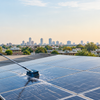
Cleaning should also be performed safely. Solar panels are usually installed at height, so professional cleaning may be preferable for difficult-to-access rooftops.

Don't Ignore the Inverter
Solar panels receive most of the attention, but the inverter is one of the most important components of a solar energy system.
The inverter converts the electricity generated by the solar panels into usable electrical power and, depending on the system configuration, manages interaction with batteries and the electricity grid.
If you are looking for equipment for a new system or replacement, Eco Cart also offers a range of solar inverters for different residential and commercial applications.
Homeowners should periodically check their inverter monitoring system for:
-
System warnings
-
Error messages
-
Unexpected shutdowns
-
Abnormally low generation
-
Communication problems
-
Unusual operating behavior
A sudden drop in solar production should not automatically be blamed on weather. It can sometimes indicate an equipment, electrical, shading, or monitoring issue.
Monitor Your Solar System's Performance
One of the easiest ways to identify a potential problem is to monitor solar generation.
Modern solar systems can provide production data through monitoring platforms or inverter applications. This allows property owners to compare current generation with previous performance.
For example, if a system normally produces a certain amount of energy under similar weather conditions but suddenly produces substantially less, the change deserves investigation.
Performance monitoring can help identify issues such as:
-
Panel shading
-
Dirty modules
-
Inverter faults
-
Electrical problems
-
Communication failures
-
Equipment degradation
-
Unexpected changes in household consumption
The earlier a problem is identified, the easier it may be to investigate and resolve.
What About Solar Panel Shading?
Shading is particularly important because even partial obstruction can affect solar generation.
Potential sources of shading include:
-
Newly grown trees
-
Water tanks
-
Neighboring buildings
-
Boundary walls
-
Satellite dishes
-
Rooftop structures
-
Seasonal shadows
A property that had excellent solar exposure when the system was installed may experience different shading conditions years later.
This is why a professional solar assessment should consider not only the current rooftop environment but also potential changes around the installation.

Solar System Maintenance Beyond the Panels
A complete solar maintenance check should go beyond cleaning.
Depending on the installation, technicians may inspect:
Mounting Structure
The mounting structure should remain secure and stable. Any signs of corrosion, looseness, movement, or physical damage should be investigated.
Electrical Connections
Cables, connectors, protection devices, and electrical connections should be inspected by qualified professionals.
Inverter
The inverter should be checked for warnings, faults, overheating, or abnormal operation.
Battery System
For systems with battery storage, battery health, temperature, connections, charging behavior, and monitoring data should also be reviewed.
If your system includes battery storage, Eco Cart offers lithium battery solutions for residential and commercial energy-storage applications.
Earthing and Protection
Proper electrical protection and earthing are important parts of a safe solar installation and should be checked as part of professional maintenance.
When Should You Call a Solar Professional?
Not every solar problem requires immediate equipment replacement.
If your solar system suddenly produces less electricity than expected, starts displaying error messages, or shows unusual behavior, a professional inspection can help determine the actual cause.
You should consider professional assistance when:
-
Solar production suddenly decreases
-
The inverter displays an error
-
The system repeatedly shuts down
-
Panels appear physically damaged
-
Cables or connectors appear damaged
-
Water enters electrical equipment
-
Battery performance changes significantly
-
New shading appears
-
The mounting structure appears loose
Avoid attempting electrical repairs yourself, particularly on rooftop or grid-connected systems.
If you need a professional assessment, you can book a free solar consultation and site survey with Eco Cart Energy.
How to Protect Your Solar Investment
Good solar performance starts with proper system design and continues through installation, monitoring, and maintenance.
When choosing a solar company, ask about:
-
Equipment warranties
-
Installation standards
-
System monitoring
-
After-sales support
-
Maintenance services
-
Inverter support
-
Battery support, if applicable
-
Documentation and system specifications
A low installation price does not necessarily represent the complete long-term cost of ownership. Equipment quality, engineering, installation practices, warranties, and after-sales support can all affect the experience over the life of a solar system.
Eco Cart's solar EPC service covers the complete process from site assessment and system design through professional installation and net-metering support.
Solar Maintenance for Homes and Businesses in Lahore
Residential and commercial solar systems can have very different operating requirements.
A home solar system may be relatively straightforward to monitor, while a larger commercial or industrial installation can contain hundreds or thousands of panels, multiple inverters, longer cable runs, and more complex electrical infrastructure.
For larger systems, professional monitoring and scheduled inspections become increasingly important.
Businesses should consider maintenance as part of their overall energy management strategy rather than waiting until a system develops a major fault.
Frequently Asked Questions About Solar Panel Maintenance
1. How often should solar panels be cleaned in Lahore?
There is no single cleaning schedule that applies to every solar system. Cleaning frequency depends on dust levels, nearby construction, traffic, pollution, bird activity, rainfall, and the location of the installation. Solar panels should be inspected regularly and cleaned when visible buildup begins affecting the system.
2. Does dust reduce solar panel performance?
Yes. Dust, dirt, bird droppings, and other deposits can block or scatter sunlight reaching the photovoltaic cells. The impact depends on the amount and type of buildup, which is why regular inspection and appropriate cleaning are important.
3. Do solar panels need maintenance after installation?
Yes. Solar systems generally require relatively low maintenance, but periodic inspection, cleaning, performance monitoring, and equipment checks can help identify issues and maintain reliable operation.
4. How can I tell if my solar system is not performing properly?
A noticeable and unexplained decrease in electricity generation can be an indication of a problem. Monitoring data, inverter warnings, unusual shutdowns, shading, dirty panels, or visible equipment damage can also indicate that the system needs inspection.
5. Can rain clean solar panels completely?
Rain can remove some surface dust, but it may not remove bird droppings, mud, stains, or accumulated deposits. After heavy rain, panels should still be visually inspected to determine whether cleaning is necessary.
6. How do I know if my solar inverter has a problem?
Common warning signs include error messages, unexpected shutdowns, abnormal generation readings, communication failures, or unusual operating behavior. If an inverter displays a fault that does not resolve normally, it should be inspected by a qualified professional.
7. Can shading affect my solar system's performance?
Yes. Trees, buildings, water tanks, walls, satellite dishes, and other rooftop structures can create shade over solar panels. Changes in the surrounding environment can also introduce new shading after installation.
8. Should I clean solar panels myself?
Simple visual inspection can be performed by a property owner, but rooftop cleaning can involve significant safety risks. If panels are difficult to access or require work at height, professional cleaning is a safer option. Electrical components should always be handled by qualified professionals.
9. Does a hybrid solar system require more maintenance?
A hybrid solar system can involve additional components such as batteries and more advanced energy-management equipment. As a result, maintenance may include checking battery performance, inverter operation, connections, and monitoring data in addition to the solar panels themselves.
10. Can regular maintenance extend the life of a solar system?
Proper maintenance can help identify problems early and keep components operating under appropriate conditions. While maintenance cannot prevent normal equipment aging, regular inspections and timely repairs can help protect the overall system and its long-term performance.
Conclusion
Solar panels are designed for long-term outdoor operation, but proper maintenance can help protect system performance and identify problems early.
For solar users in Lahore, dust, heat, rain, shading, and rooftop conditions should all be considered when maintaining a solar installation.
Regular visual inspections, performance monitoring, professional cleaning when required, and periodic equipment checks can help keep a solar system operating efficiently.
Whether you already have solar installed or are planning a new installation, choosing the right equipment and working with an experienced solar provider are important steps toward long-term performance.
A well-designed solar system is an investment. Proper maintenance helps you protect it.